The East Jersey Old Town Village will be closed on the following dates:
October – 10/3, 10/31
November – 11/14, 11/21, 11/29
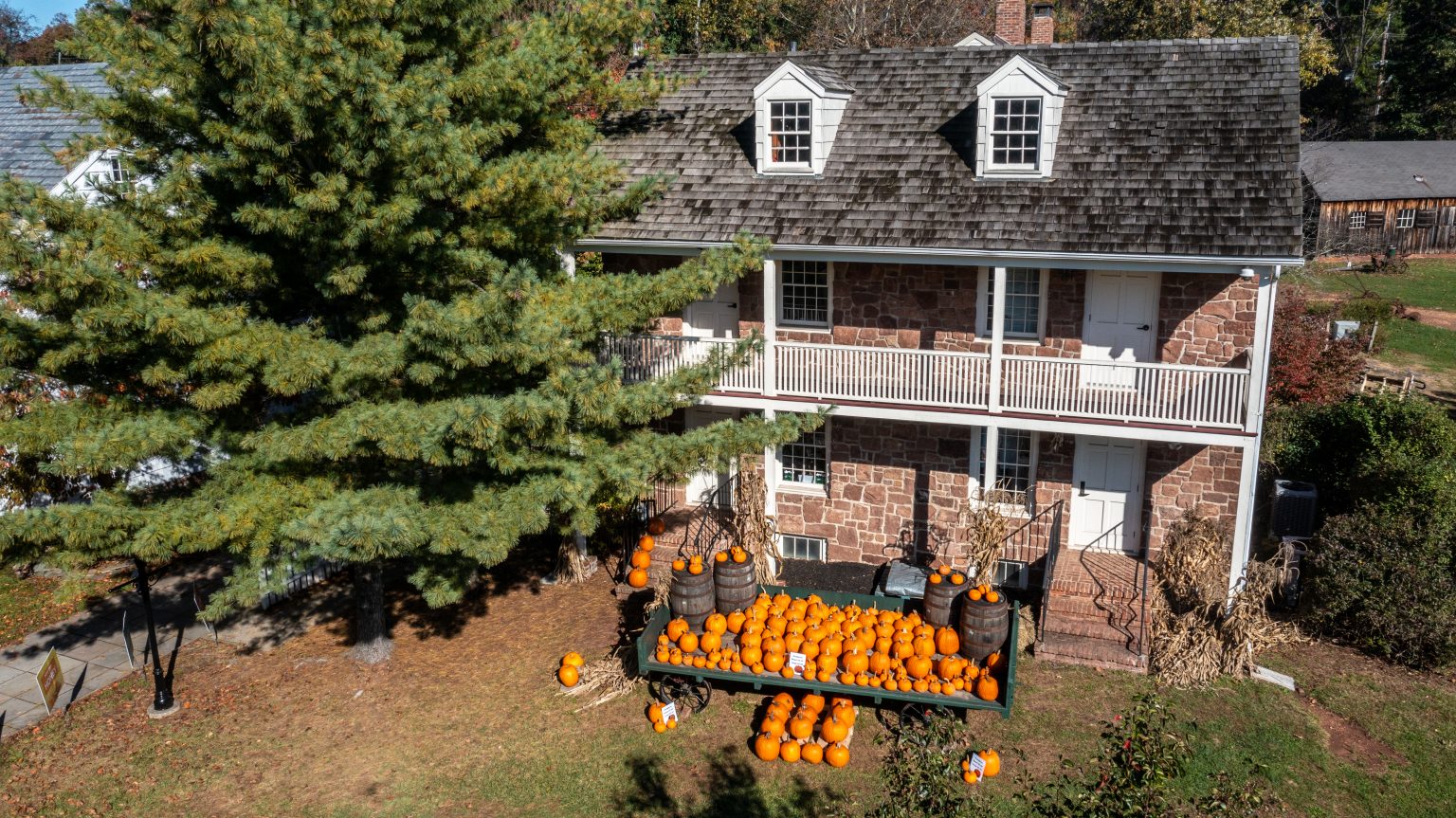
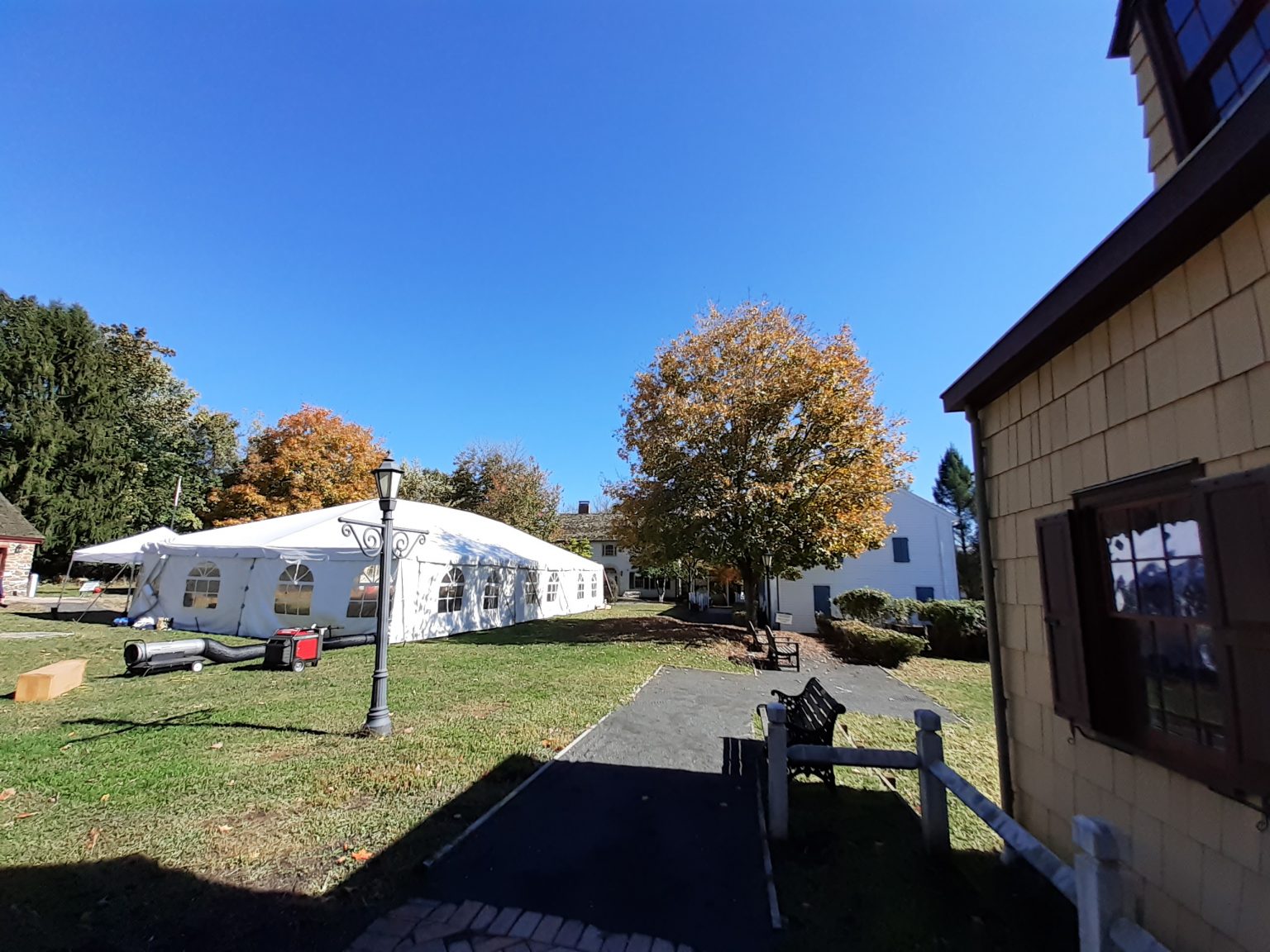
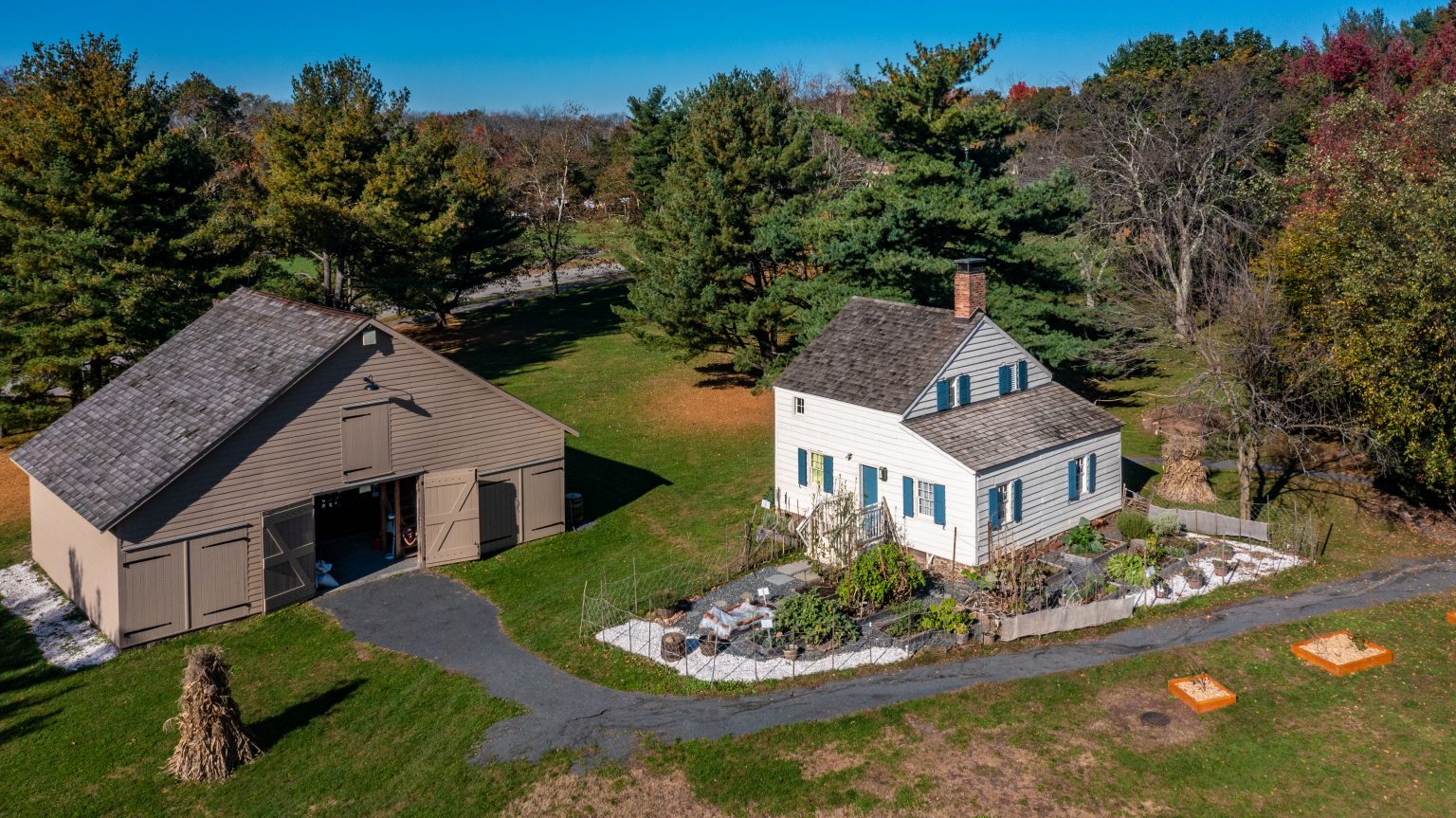
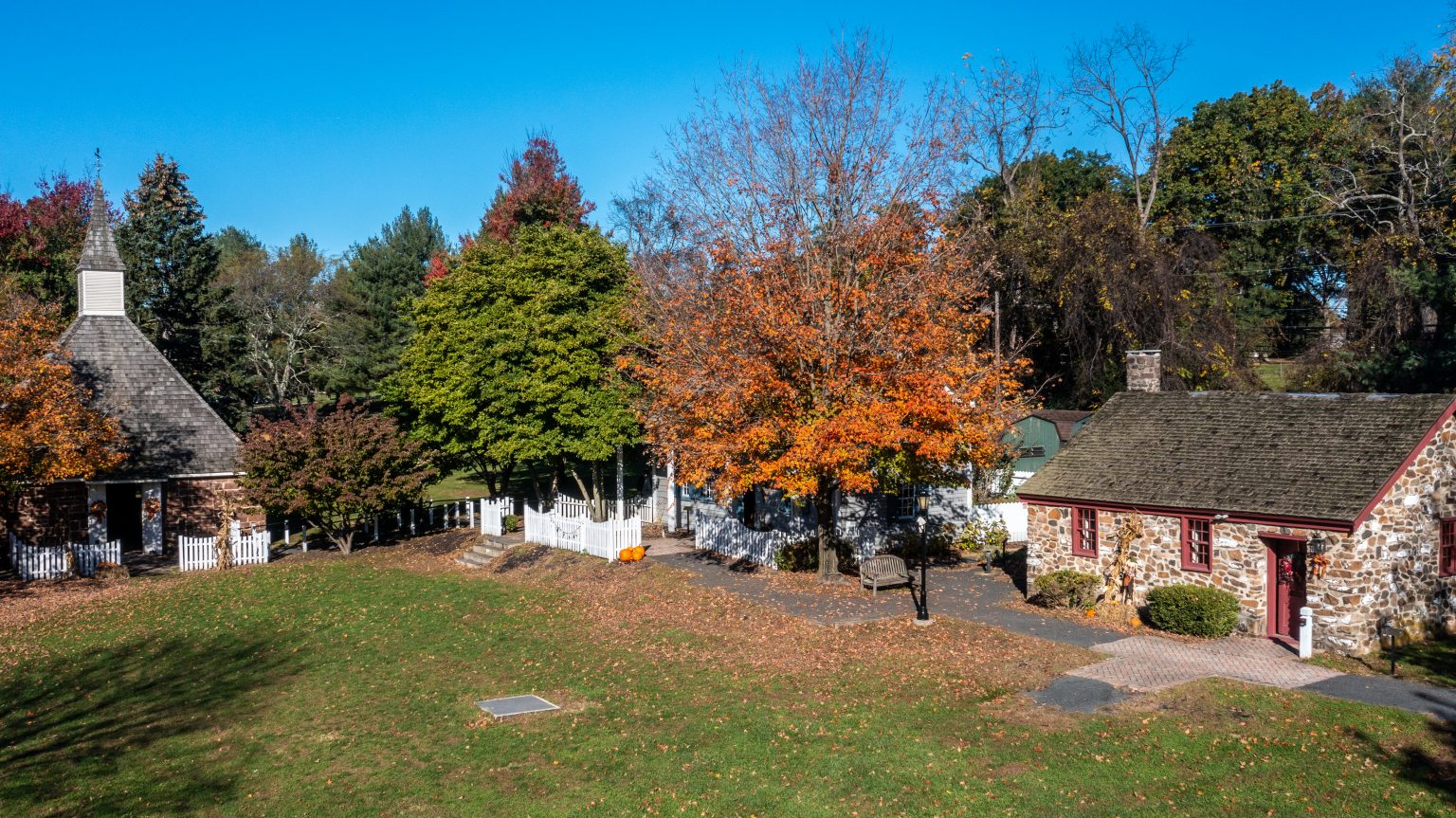
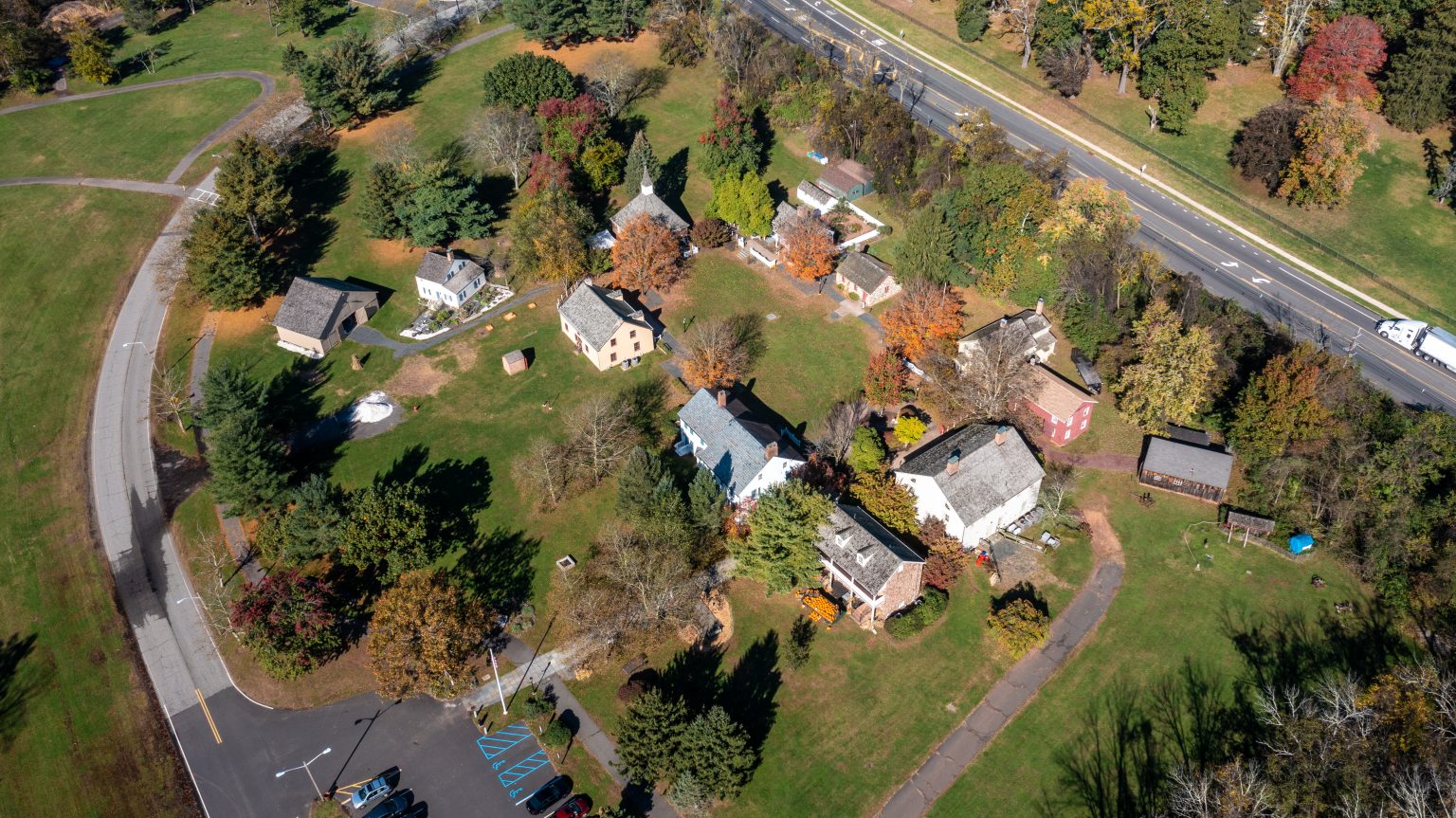
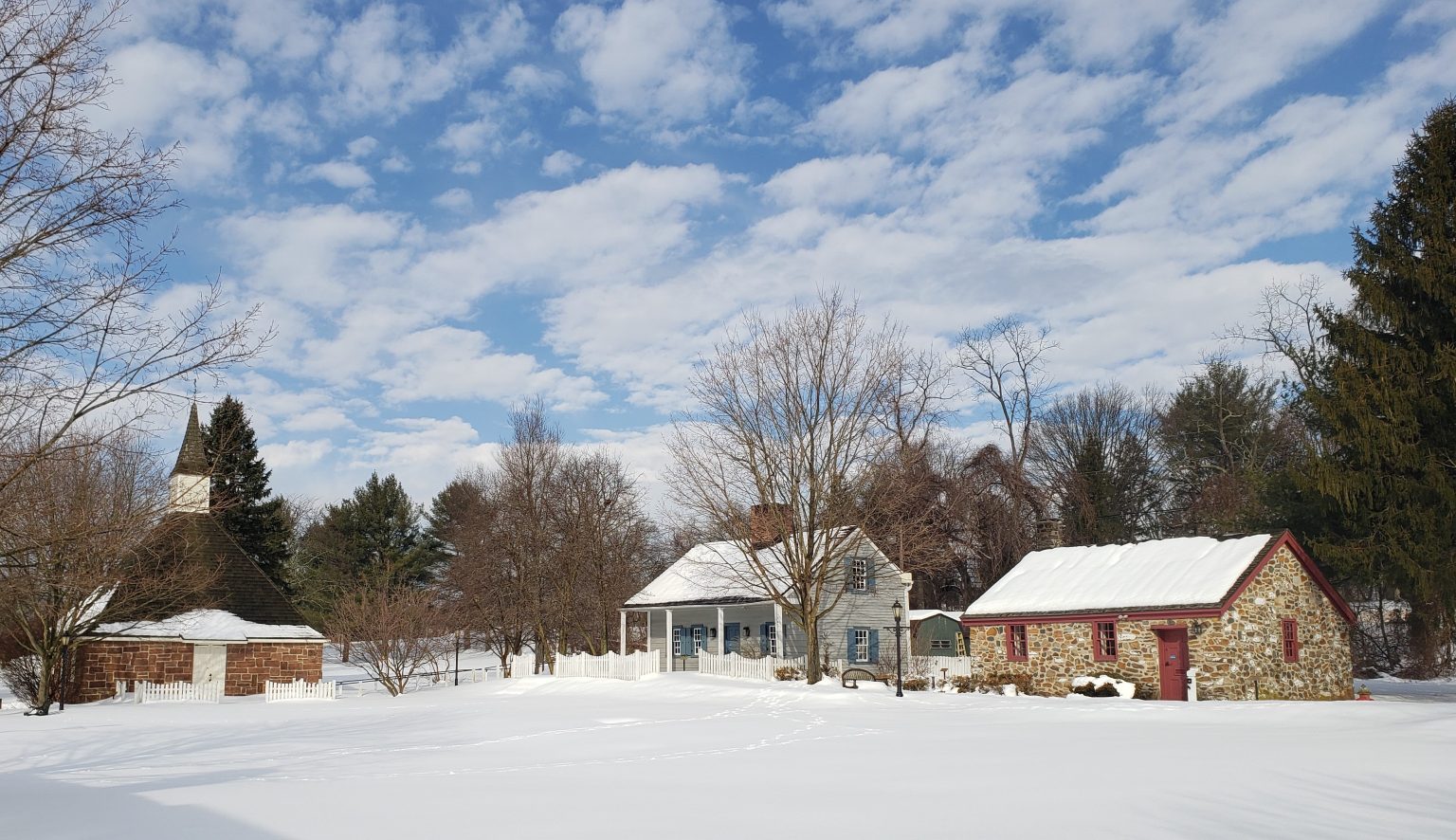
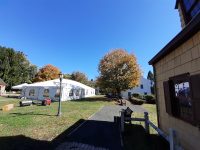
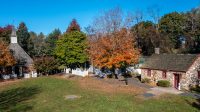
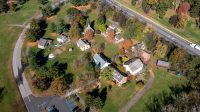
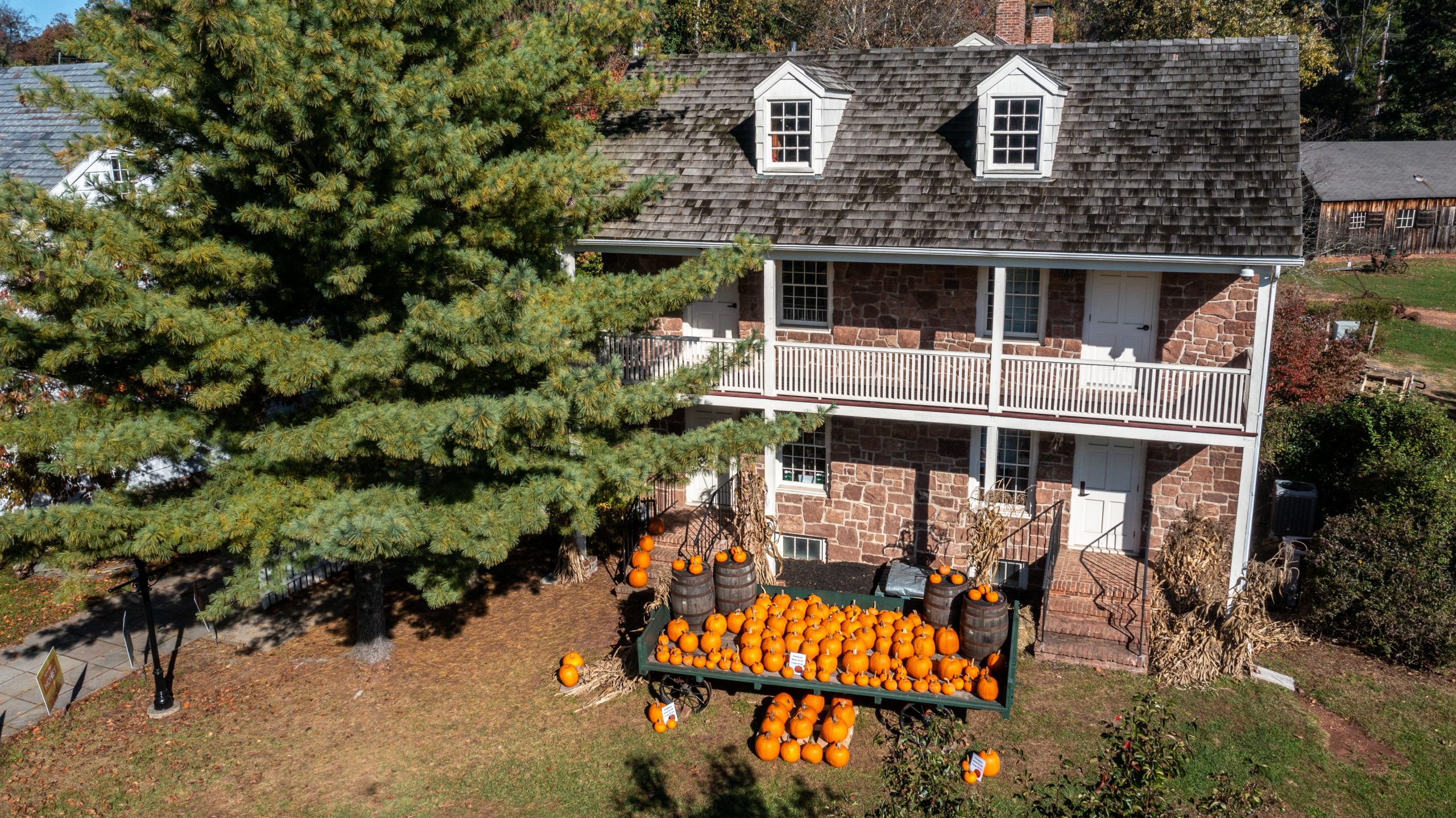
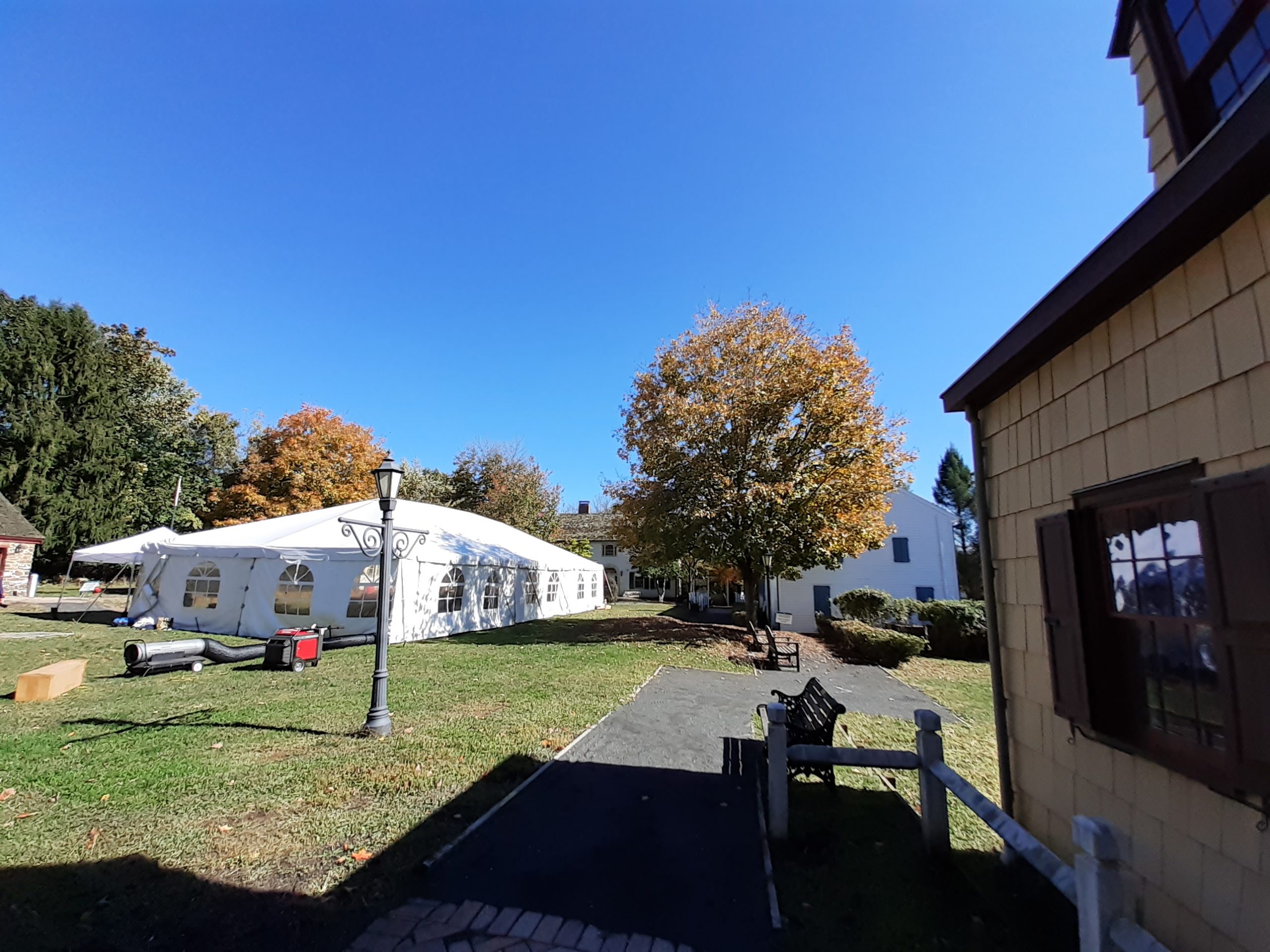
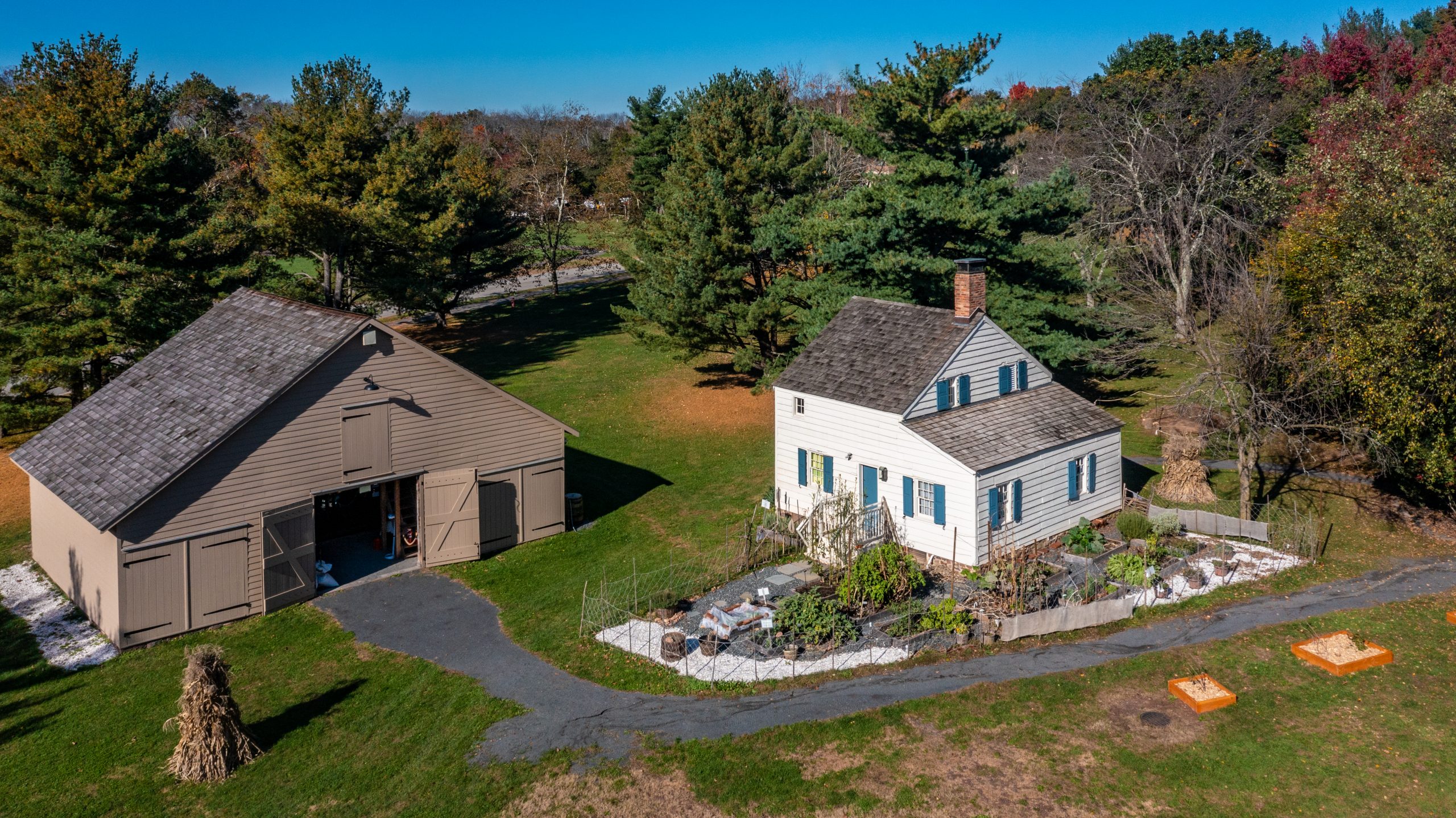
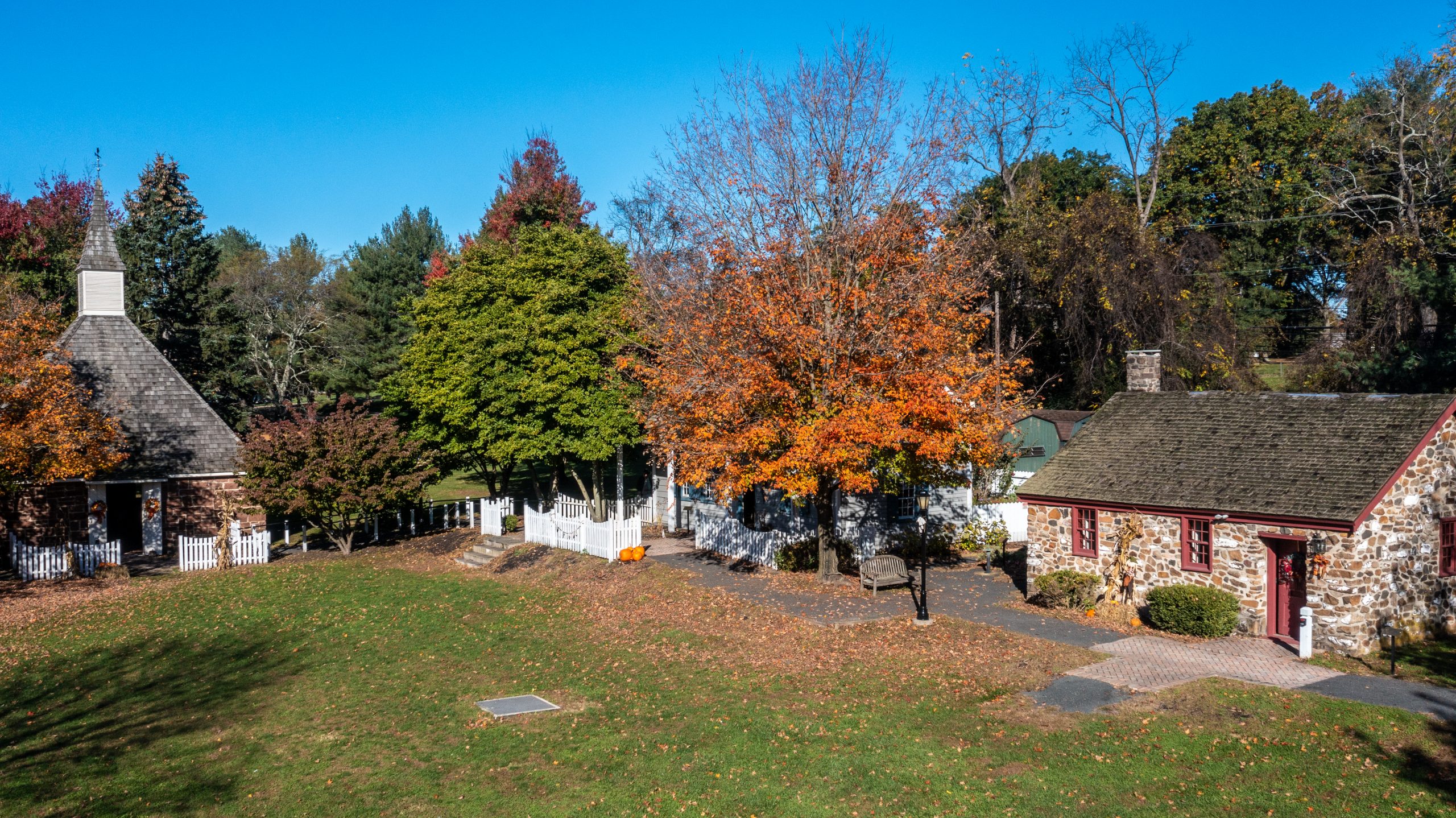
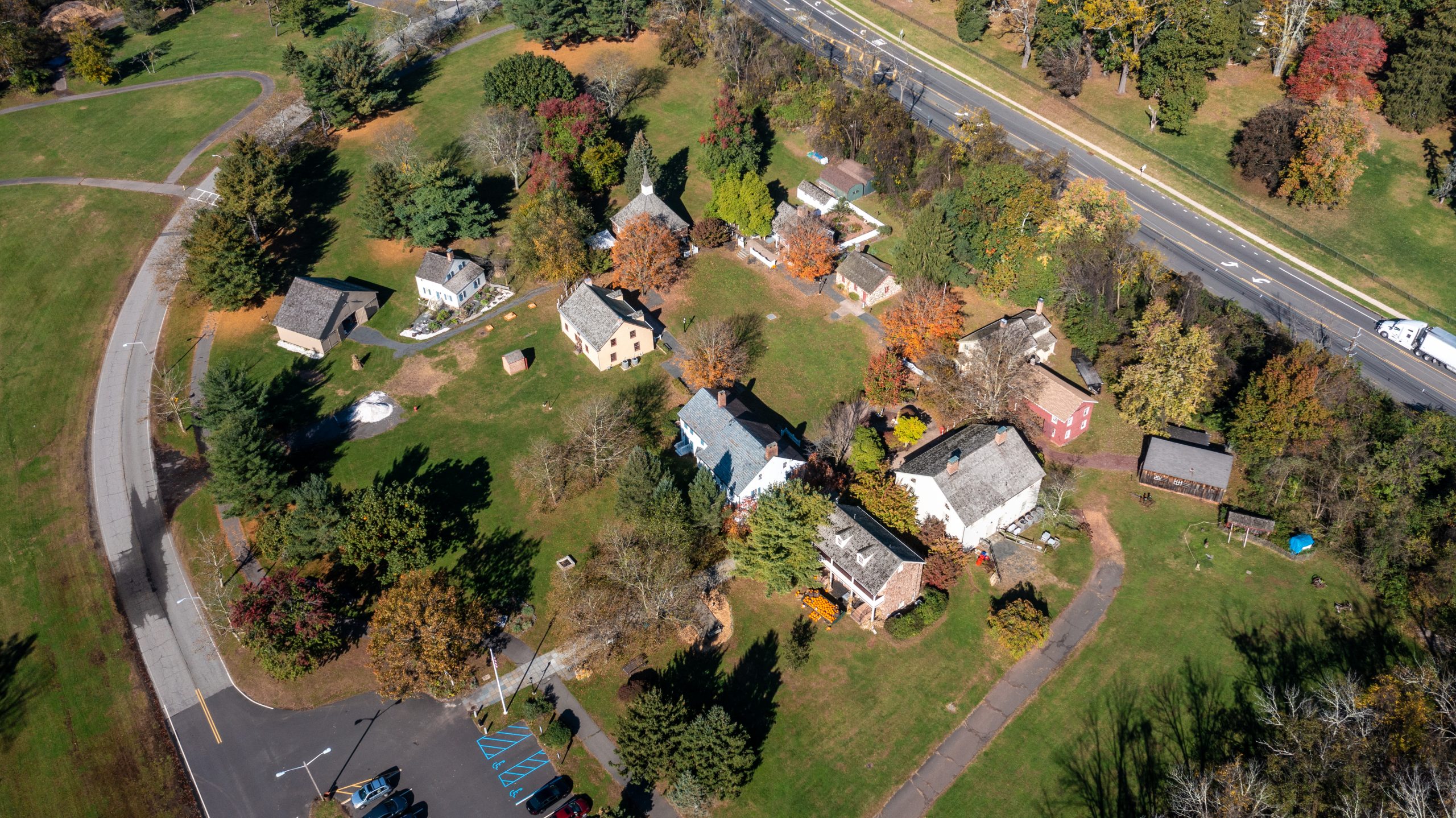
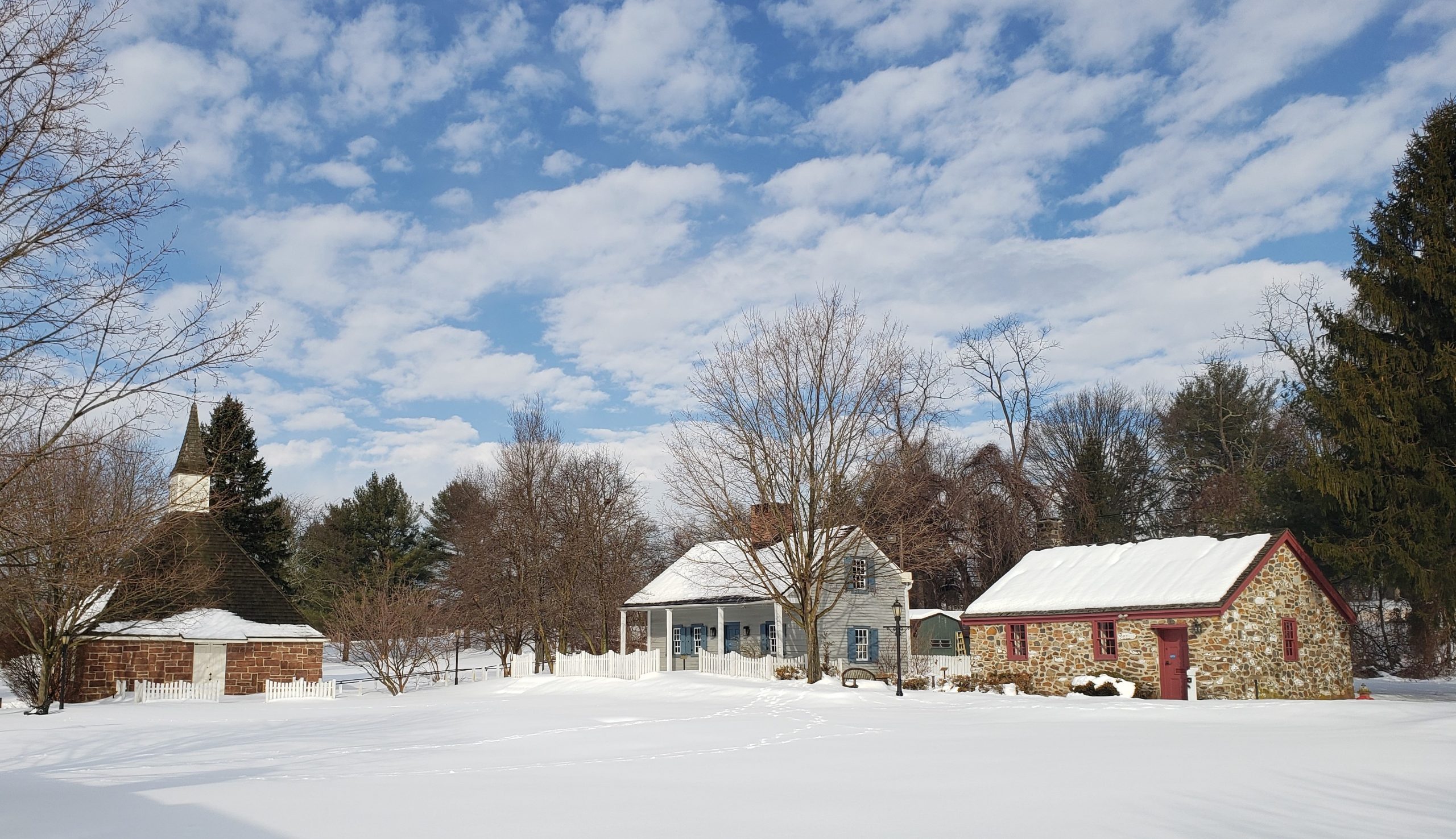
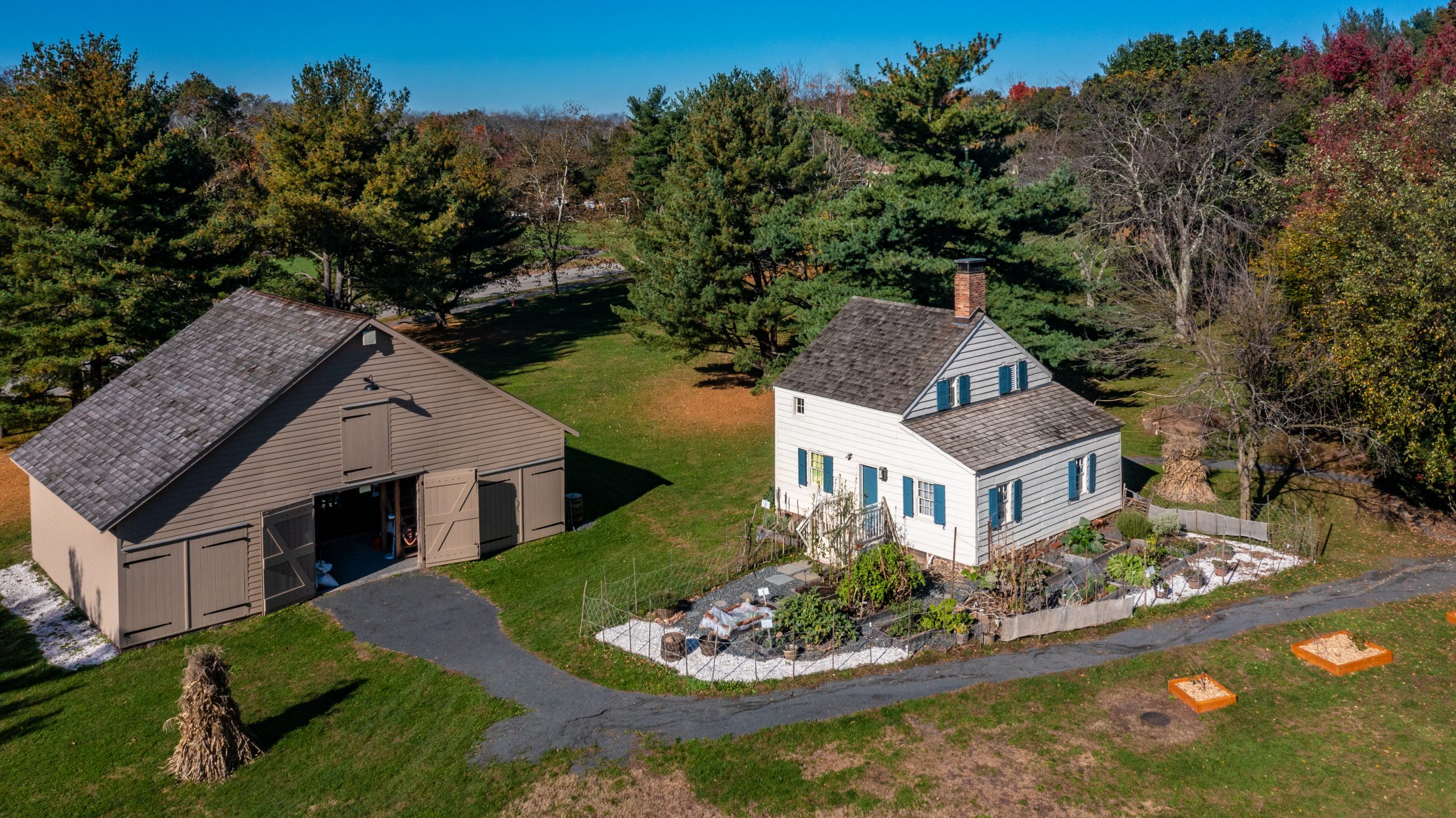
East Jersey Old Town Village is a collection of historic structures relocated to Johnson Park in Piscataway. The village comprises sixteen reconstructed and replica 18th and 19th-century structures representing architecture typical of farm and merchant communities once found in the Raritan Valley.
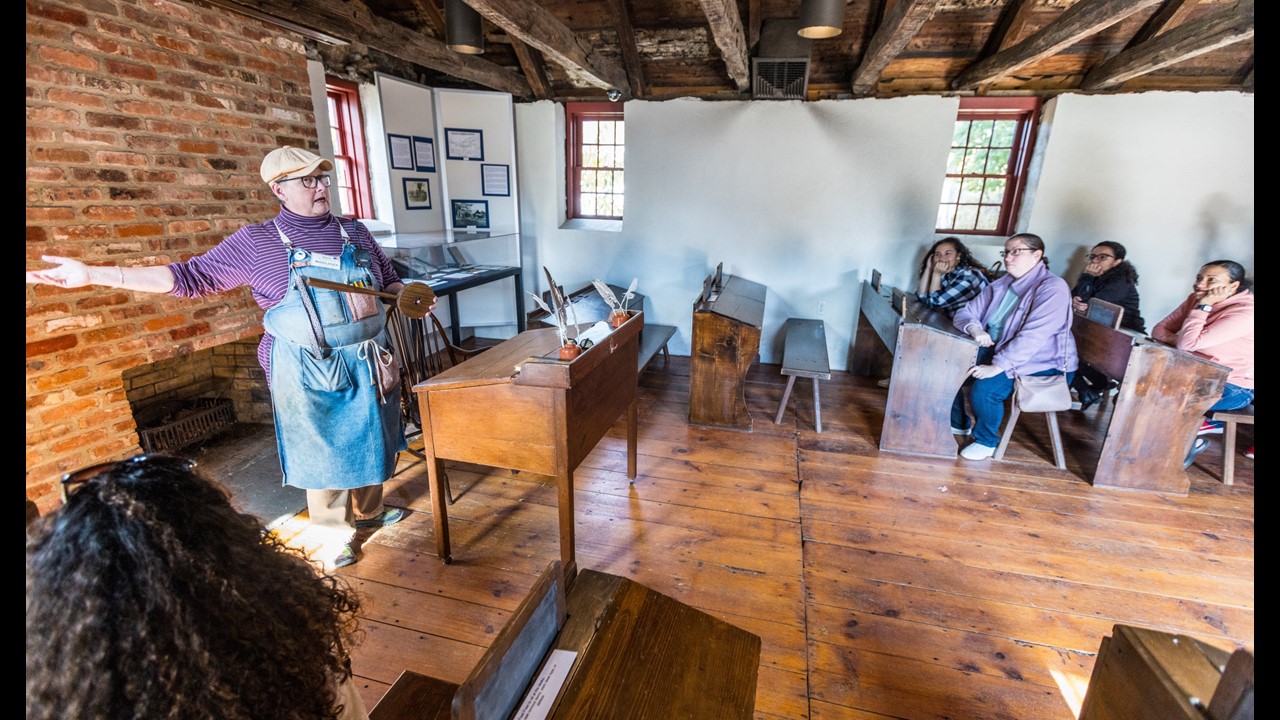
Buildings include the Indian Queen Tavern, the Farley Blacksmith Shop, the Williamson Wheelwright Shop, the Smalleytown Schoolhouse, the Three-Mile Run Church, the homes of early settlers, and outbuildings.
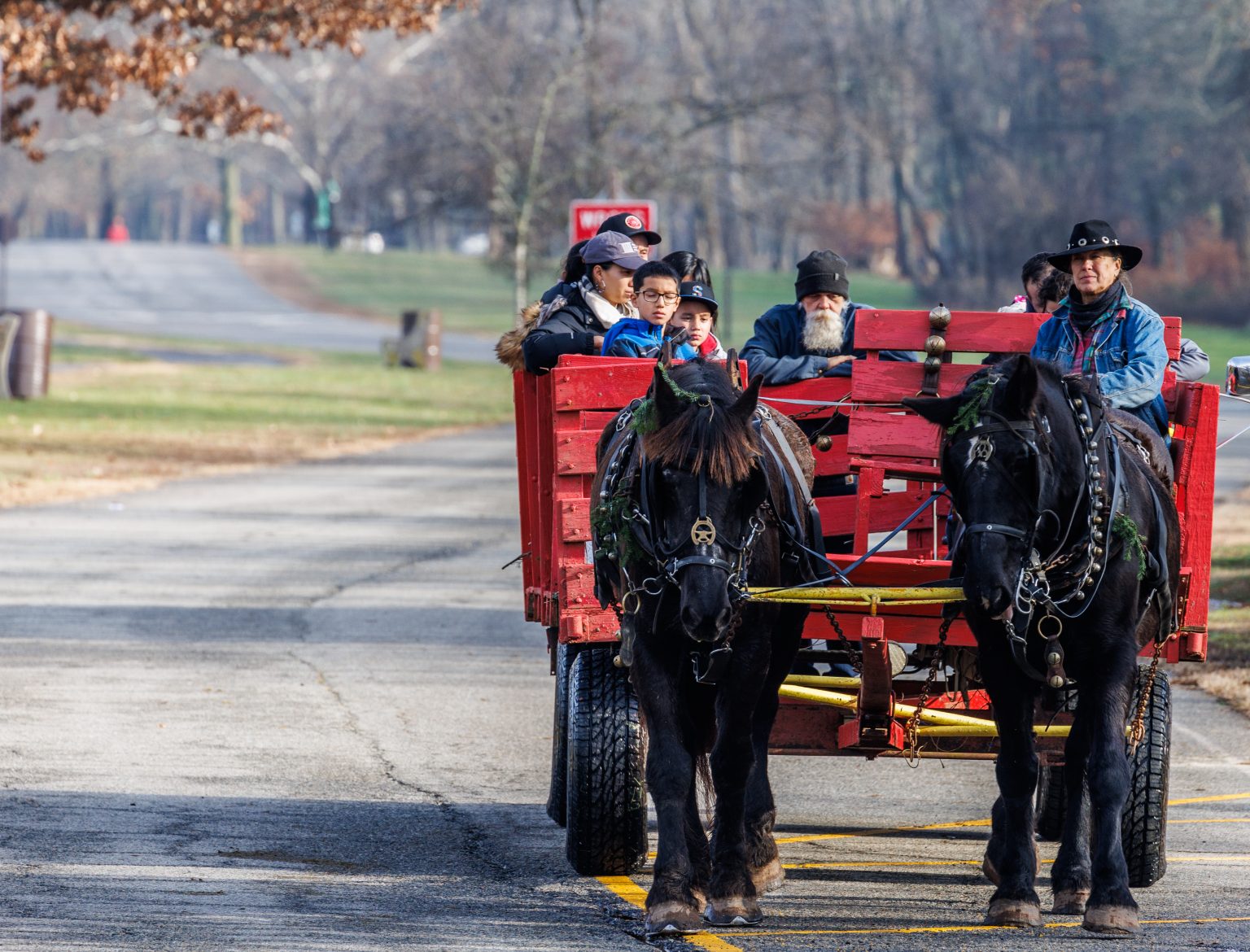
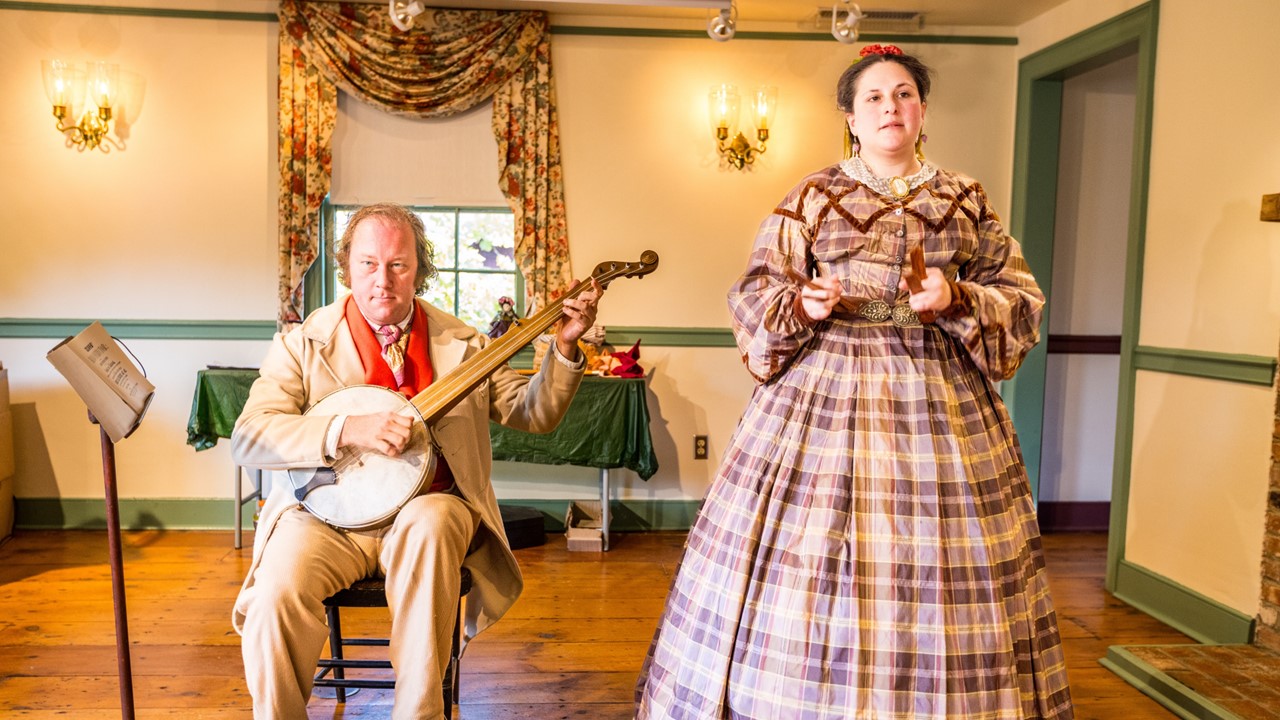
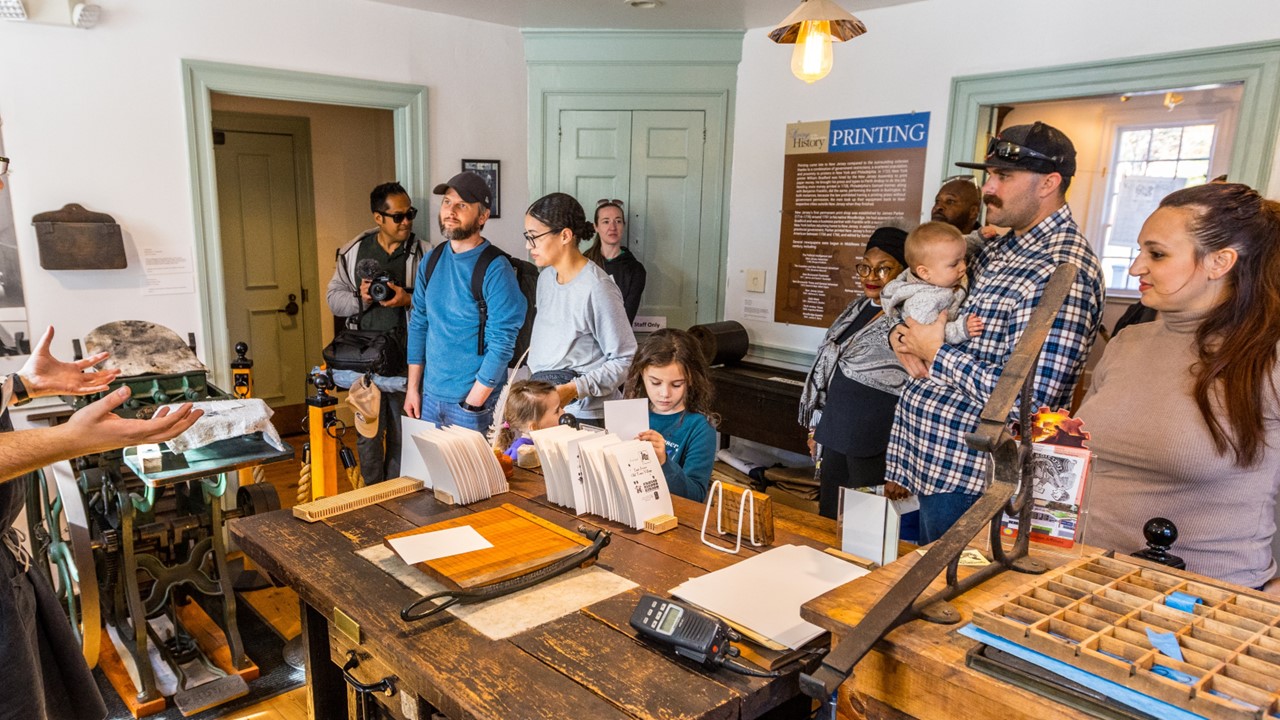
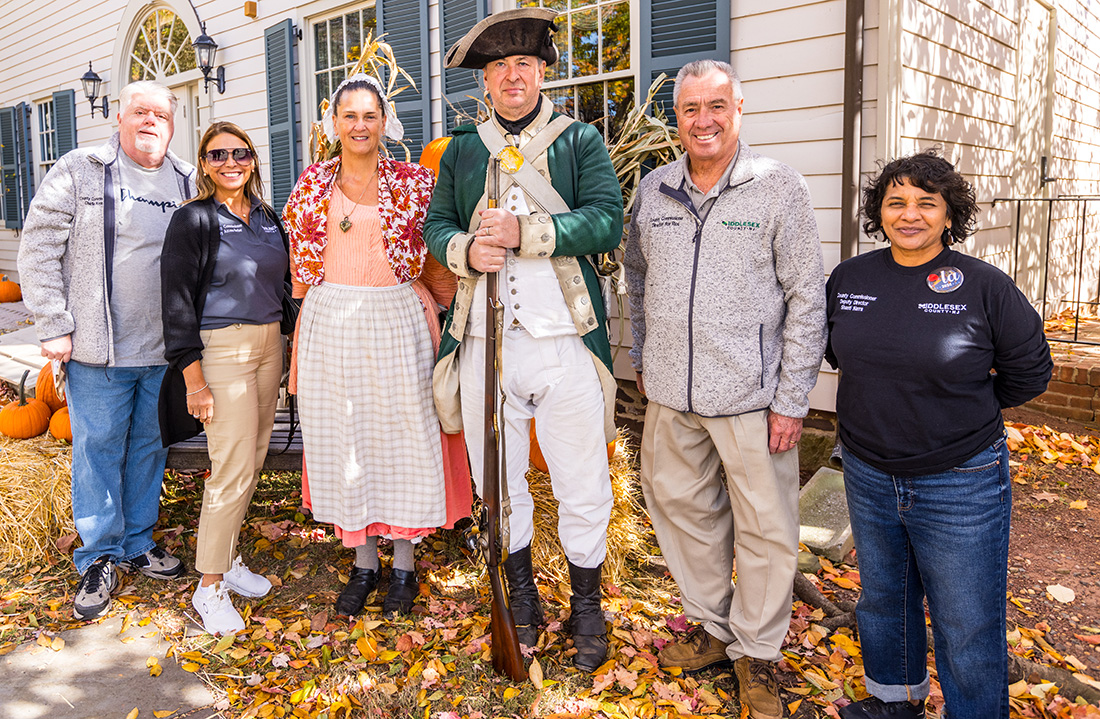
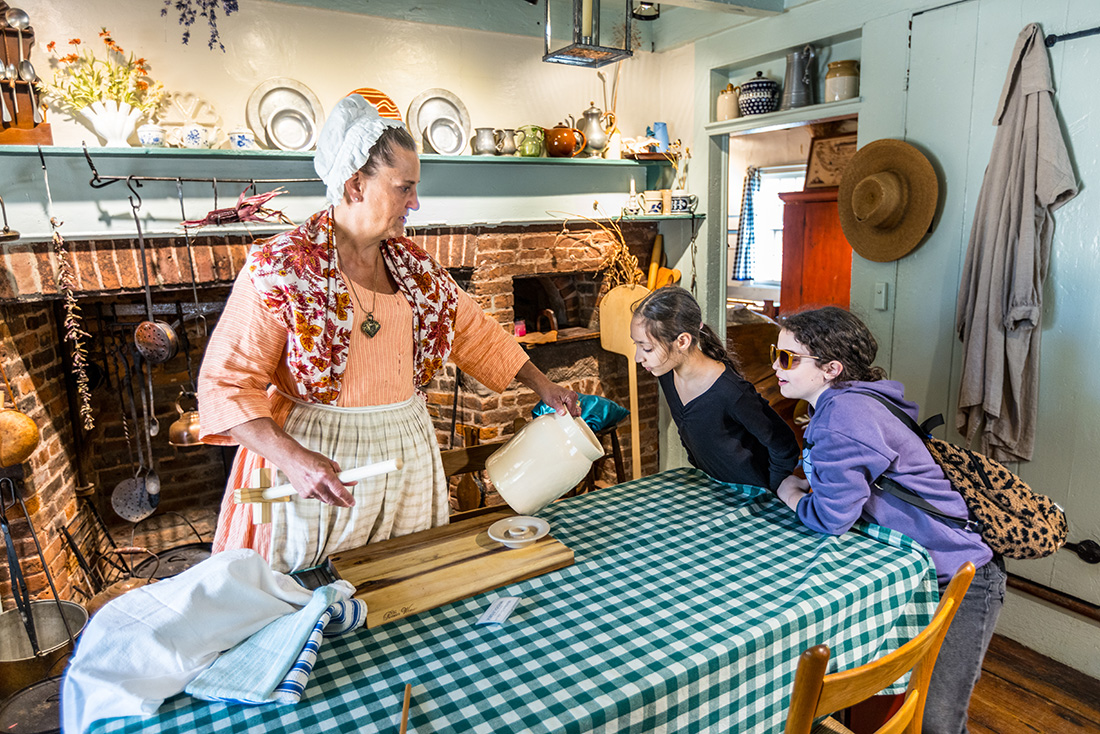
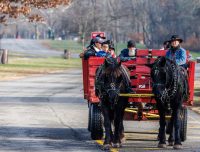
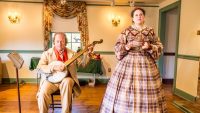
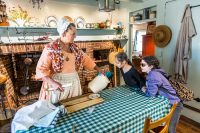
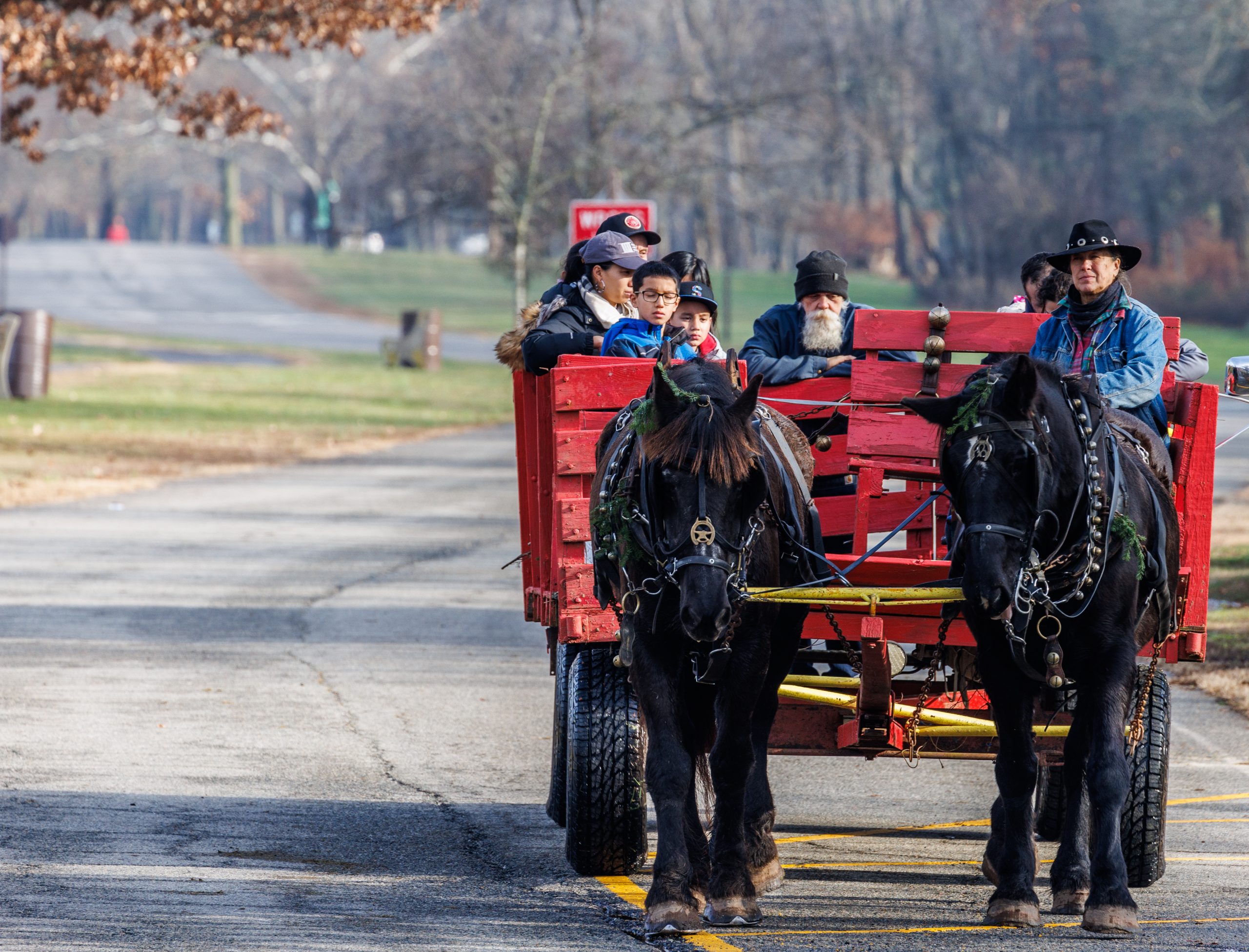
Visitors today can explore the site and meet the historical interpreters who bring the Village to life through their historic trades and crafts. The Village, a gateway site for the Crossroads of the American Revolution National Heritage Area, situated along the Washington-Rochambeau National Historic Trail, offers award-winning exhibits, living history, and season ... view more »
The East Jersey Old Town Village will be closed on the following dates:
October – 10/3, 10/31
November – 11/14, 11/21, 11/29
East Jersey Old Town Village is a collection of historic structures relocated to Johnson Park in Piscataway. The village comprises sixteen reconstructed and replica 18th and 19th-century structures representing architecture typical of farm and merchant communities once found in the Raritan Valley.
Buildings include the Indian Queen Tavern, the Farley Blacksmith Shop, the Williamson Wheelwright Shop, the Smalleytown Schoolhouse, the Three-Mile Run Church, the homes of early settlers, and outbuildings.
Visitors today can explore the site and meet the historical interpreters who bring the Village to life through their historic trades and crafts. The Village, a gateway site for the Crossroads of the American Revolution National Heritage Area, situated along the Washington-Rochambeau National Historic Trail, offers award-winning exhibits, living history, and seasonal programs.
FREE ADMISSION – Open Year-Round, Rutgers Football game days, and Rutgers graduation.
Historical Interpreters on-site April – October.
Check out the Liberty Baseball Club and see how baseball was played in the 1800s.
Visit our mobile website by texting culture to 732-978-9211. To stop messages, reply “Stop.” Message and Data Rates May Apply.
WHAT’S NEW!
East Jersey Old Town Village is in pursuit of accreditation from the American Alliance of Museums (AAM). Click here to read about this significant achievement and the Village’s expansion plans, which include a visitor’s center and meeting spaces!

2026 will mark the 250th anniversary of the American Revolution. The turmoil of the war happened right here, on the doorstep of those living in Middlesex County. What unfolded was an account of politics, divided loyalties, battles, destruction, and ultimately, rebuilding. This led to the founding of a new nation on July 4, 1776, with the adoption of the Declaration of Independence, shaping the communities we enjoy today. In honor of the 250th Anniversary of the United States of America, Middlesex County is proud to celebrate this milestone as one community, embracing our rich history, taking pride in our fight for independence, and continuing our legacy of welcoming new cultures and traditions worldwide. Visit middlesexcountynj.gov/250 for detailed information and events in honor of this significant period.
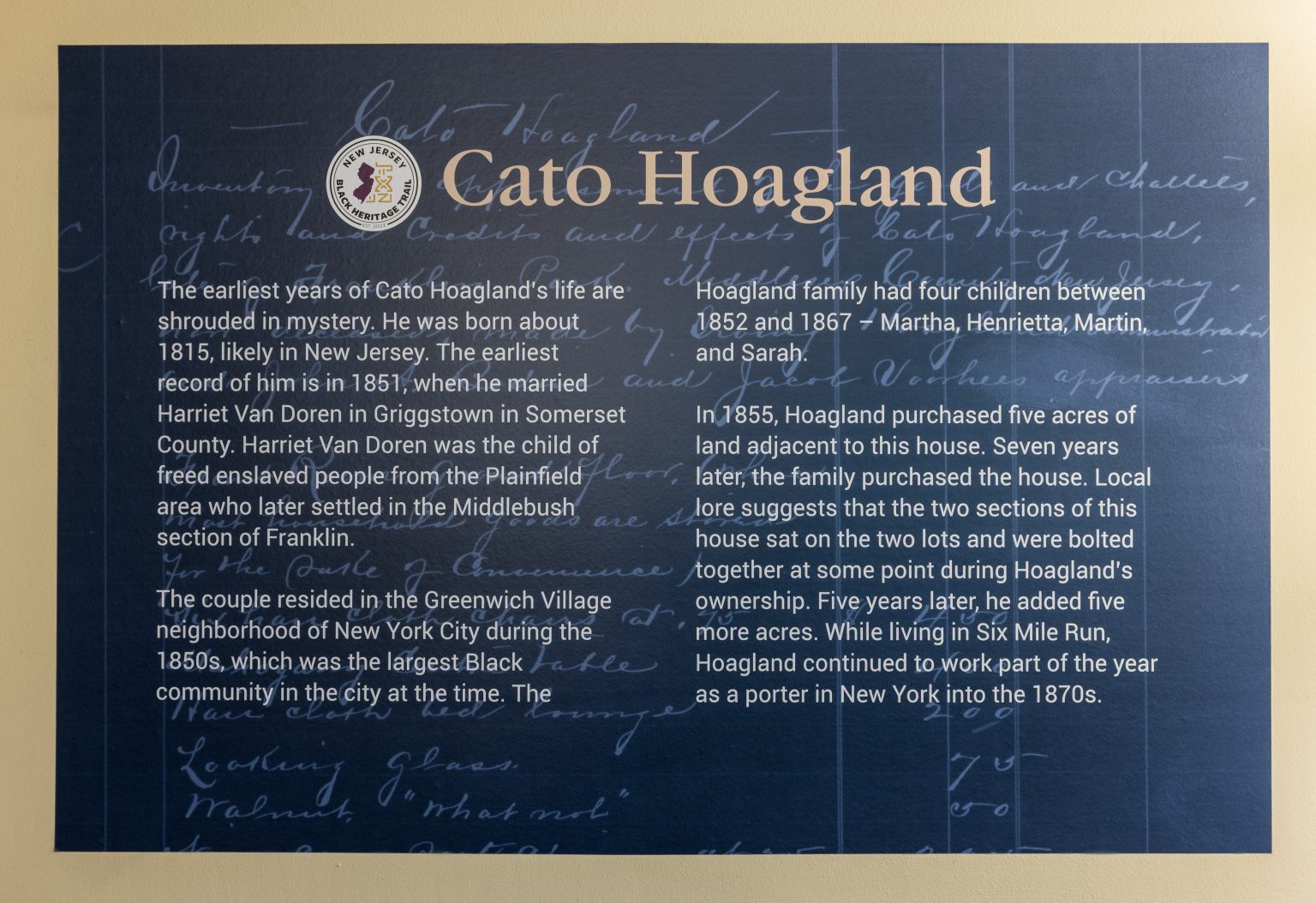
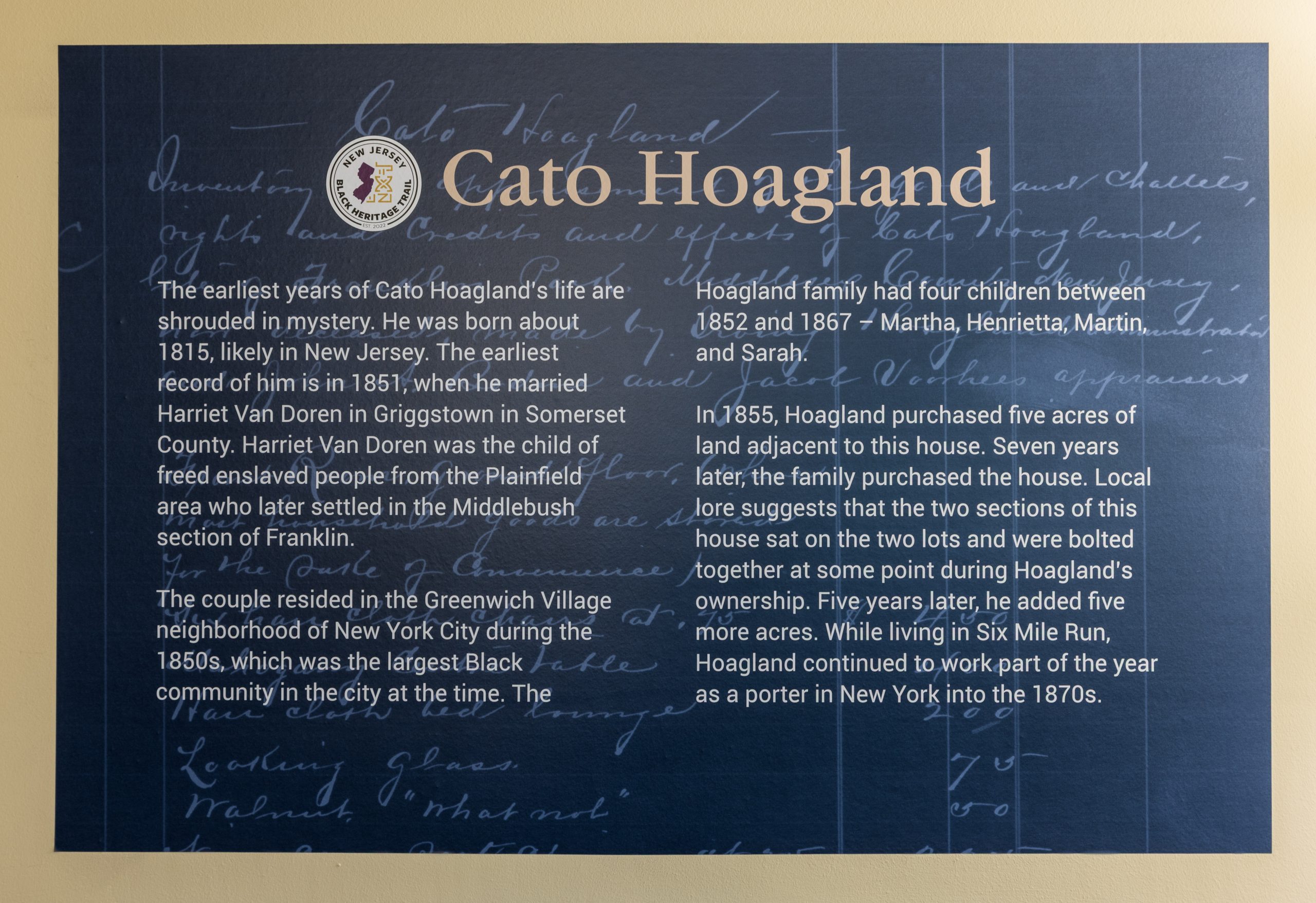
Black Heritage Trail – Cato Hoagland House
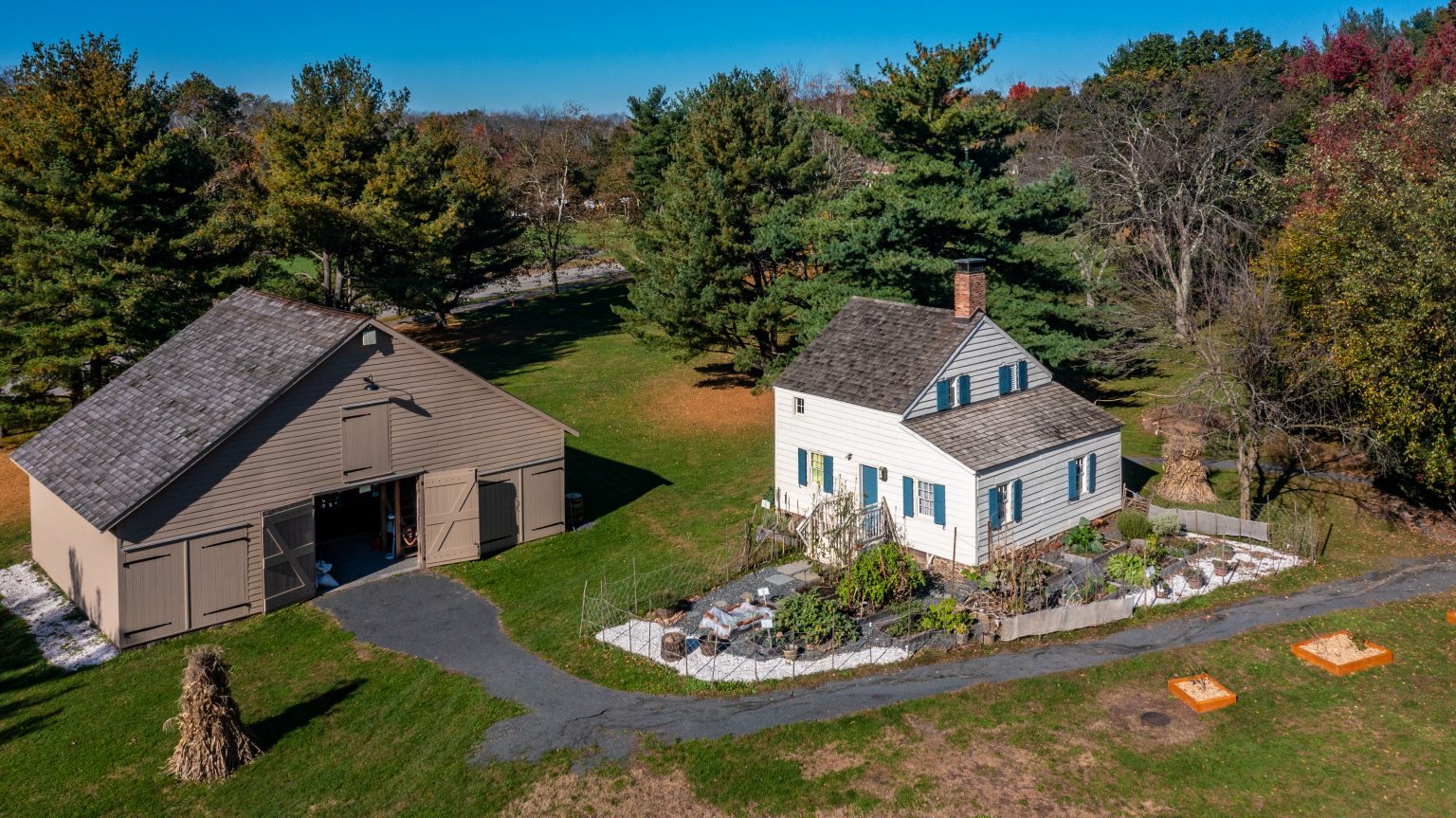
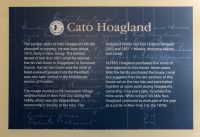
The Cato Hoagland House was originally located along the main road from New Brunswick to Trenton, now called Route 27, near the community of Six Mile Run, now Franklin Park. The house was constructed around 1770, likely by the Manley family. It was acquired by Peter Pumyea in 1792 and used as a tenant house.
Unlike many other East Jersey Old Town houses, the Hoagland House was not a farmhouse. It stood at the edge of a crossroads community and was home to schoolteachers, innkeepers, carpenters, butchers, and even a bacteriologist in the 20th Century.
The longest-tenured owner of the house was Cato Hoagland, a free Black man who purchased it in 1862 and lived there until 1899. For much of his ownership, Hoagland split his time between his home and family at Six Mile Run and his work as a porter in New York City.
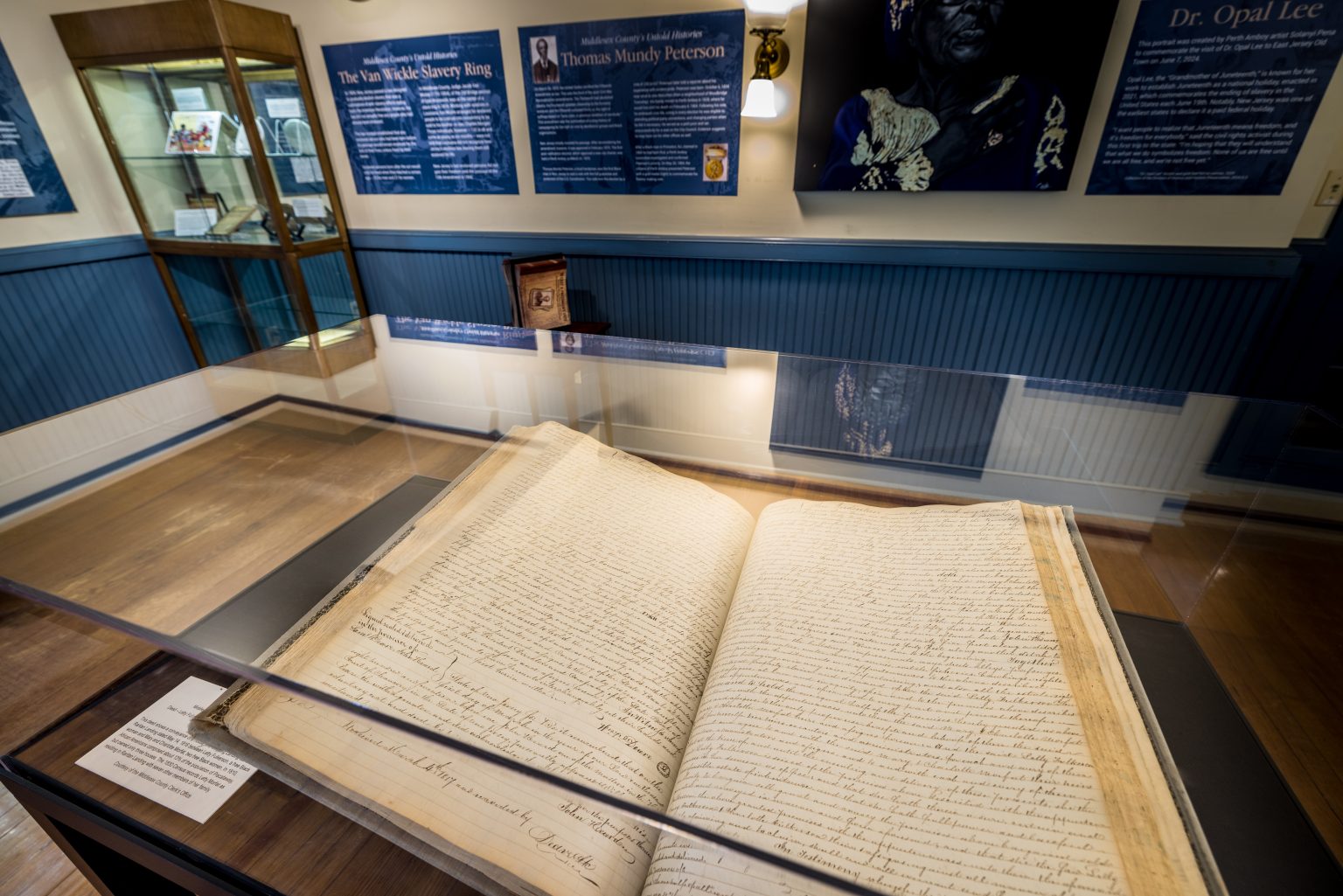
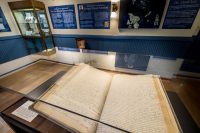
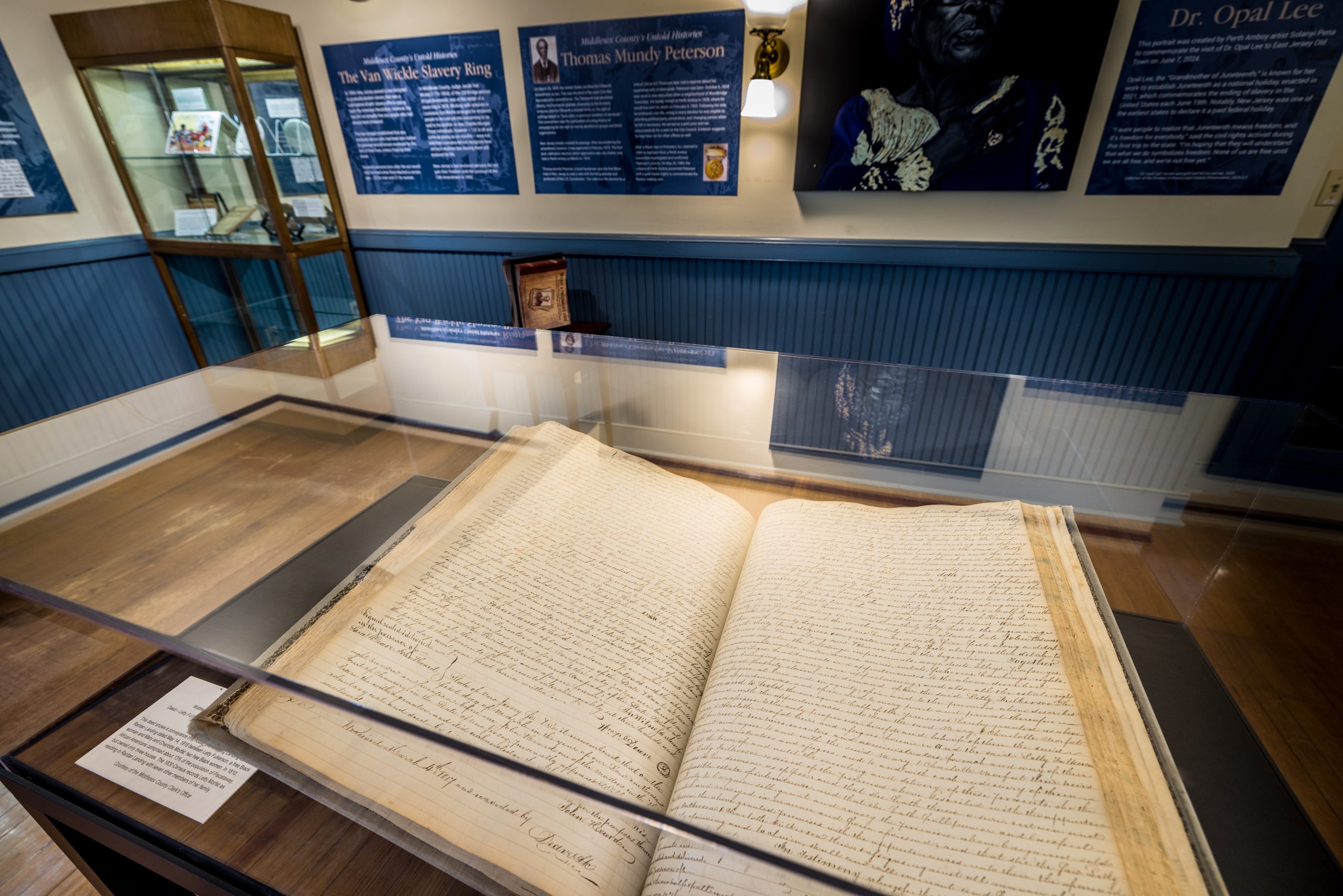
The Cato Hoagland House exhibit focuses on his family, his time living in the house, and African American History in Middlesex County.
Exhibit highlights include the history of slavery in the County and Thomas Mundy Peterson, the first African American to cast a vote in the United States under the 15th Amendment.
East Jersey Old Town has been designated as a New Jersey Black Heritage Trail site by the New Jersey Historical Commission.
View less
 English
 Arabic
 Chinese (Simplified)
 Chinese (Traditional)
 French
 German
 Hindi
 Japanese
 Korean
 Kurdish (Kurmanji)
 Russian
 Spanish
 Ukranian
 Vietnamese


 Cheese Coffee Caf Downtown
 Bottger Mansion of Old Town
 Bottger Mansion of Old Town